







PARIS – Every parent has been there. One minute, your child is happily playing, and the next, they erupt into tears and screams, refusing to listen or calm down. These moments can feel overwhelming, leaving even the most patient parents exhausted. But the truth is, child tantrums are not a reflection of bad parenting. They are simply big emotions in a small body, emotions a child has not yet learned to manage.
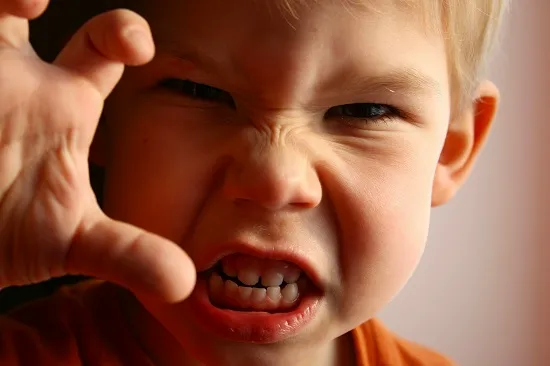
With patience, awareness, and the right positive parenting tips, mothers can guide their children through these storms, turning what feels like chaos into moments of learning and growth.
Helping Your Child Express Their Emotions
Teaching children to identify and communicate their feelings is the foundation of emotional regulation for children. Encourage simple habits like talking to someone they trust, naming their feelings, taking deep breaths, or practicing mindfulness exercises.
These strategies allow children to manage their emotions before they escalate, making managing kids’ anger easier for both parent and child.
Recognizing Anger Triggers
Many child tantrums happen in predictable situations: homework time, bedtime, or transitions from a fun activity to a less exciting one. Observing these patterns helps parents anticipate emotional peaks and reduce parenting stress.
Soft cues work wonders. A simple reminder, like “We’ll stop playing in ten minutes,” gives children time to adjust and prevents frustration from turning into a full-blown outburst.
Offering Choices and Movement
A flat “no” can intensify a child’s frustration. Offering options gives them a sense of control. Suggest an alternative activity, allow a short break outside, or let them move and stretch.
Kids naturally need ways to release energy. By offering flexible choices, parents practice gentle parenting while reducing confrontations and meltdowns.
Understanding the Root of Aggression
Aggression usually has a reason behind it. Maybe a task feels too challenging or boring, or the child is seeking attention. To guide better behavior, break tasks into smaller steps, make activities playful, and consistently praise positive behavior.
By focusing on the underlying causes, you help children understand why kids get angry and reduce repeated child behavior issues.
Providing Safe Sensory Alternatives
Some children express anger through physical actions. Instead of hitting, kicking, or head-banging, offer safe sensory outlets: vibrating cushions, rocking chairs, weighted blankets, or sensory toys.
These tools help children regulate their nervous system, release tension safely, and regain control over their emotions, turning potential outbursts into calm, manageable moments.
Parenting isn’t about perfection. It’s about understanding your child’s emotional world and giving them the tools to navigate it safely. With consistent mom tips, mindfulness, and patience, every mother can transform moments of child tantrums into opportunities for growth, connection, and emotional resilience.