


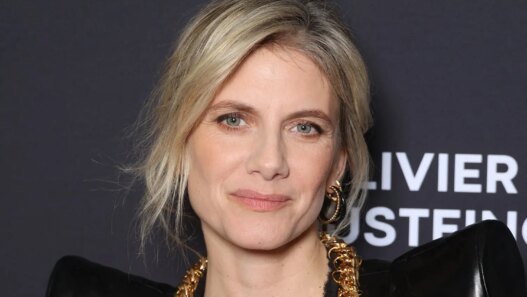


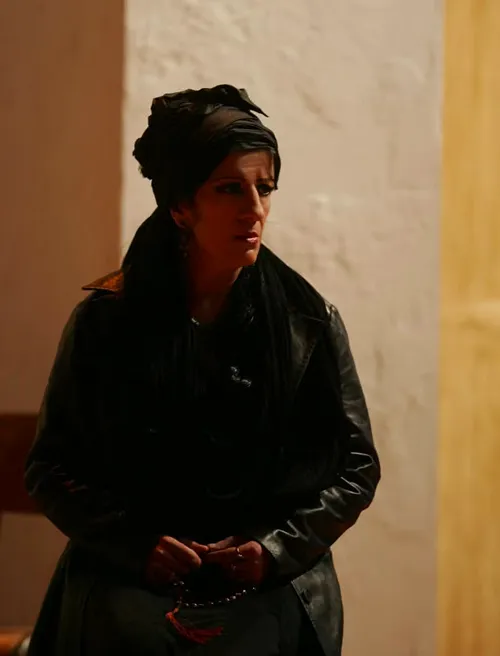
ALGIERS — Algeria woke up to a somber morning on Tuesday, November 25, as news spread of the death of Biyouna, one of the country’s most beloved artists. Known in private life as Baya Bouzar, the actress, musician, and performer died at 73 at the Beni Messous hospital, leaving behind a legacy that shaped generations of viewers and listeners.
For more than half a century, Biyouna’s unmistakable voice, fearless humor, and warm charisma made her a national treasure. Her ability to blend music, dance, acting, and an unrivaled sense of comedic timing transformed her into a cultural phenomenon.
A Life Rooted in Music and Art
Born on September 13, 1952, in Belcourt (today Belouizdad), Biyouna grew up in a modest family where music was ever-present. Her half-sister was none other than the famed singer Faïza El Djazaïria, a household name in Algerian music.
By age 17, Biyouna was already captivating crowds at Algerian weddings, tambourine in hand, commanding the stage with a confidence and charm far beyond her years. Her talent quickly caught the attention of iconic singer Fadhéla Dziria, who invited her to join her all-female orchestra. There, Biyouna emerged as both a gifted percussionist and a standout interpreter of hawzi and aroubi musical traditions.
Her reputation spread widely across Algiers’ cabarets and nighttime celebrations, where she became known as an artist who could electrify a room within seconds. Her name began to circulate with a sense of inevitability — the rise of an entertainer who was unmatched in versatility and presence.
A National Symbol of Freedom and Humor
Throughout her career, Biyouna embodied a rare combination of boldness and authenticity. Her humor, often sharp and unapologetic, mirrored Algeria’s own joy, resilience, and contradictions. She played characters who were fierce, funny, and deeply human — women who spoke their minds when others couldn’t.
Whether on stage, on television, or in film, she infused every performance with emotional truth and a sense of liberation that resonated across generations. For many Algerians, she represented not only entertainment but also a form of cultural resistance and self-expression.
FAQs
1. What was Biyouna best known for?
She was celebrated for her versatile artistry as a musician, dancer, percussionist, and actress, and for her bold sense of humor.
2. How old was she when she passed away?
Biyouna died at 73.
3. Where was she born?
She was born in Belcourt (now Belouizdad), a historic district of Algiers.
4. Who discovered her early talent?
Legendary singer Fadhéla Dziria recognized her potential and invited her into her orchestra.
5. Why is Biyouna considered a cultural icon?
Her art blended comedy, music, and social commentary, making her one of Algeria’s most influential entertainers for over fifty years.