





Lurking just beneath the surface of your complexion, those minute white protrusions are not standard pimples ripe for popping; they are closed comedones. To eradicate them, a dermatologist has unveiled a meticulous skincare routine designed to smooth the skin not just from the outside, but from within.
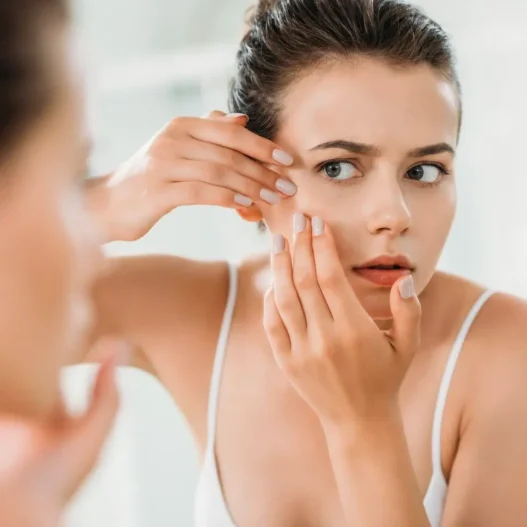
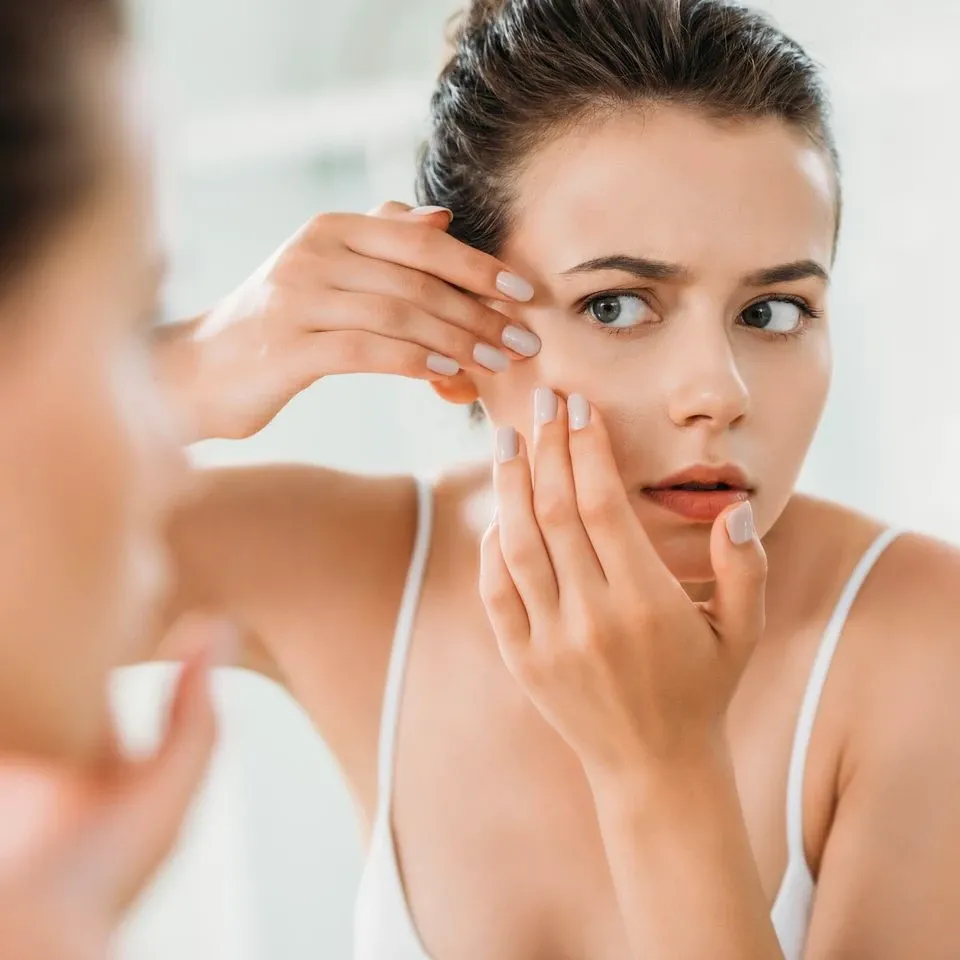
They are frequently mistaken for common acne, and many succumb to the urge to extract them by hand—a fatal error. In reality, these subcutaneous irregularities are clogged pores that have become obstructed beneath the epidermis. The result? A chaotic, granular skin texture that proves difficult to conceal with makeup and is prone to inflammation if provoked.
The cardinal rule, echoed relentlessly by skin experts, is simple: never squeeze. Not only does this extraction attempt yield nothing, but the tempting maneuver can also trigger inflammation, dark spots, or permanent scarring. The superior strategy relies on a calculated, progressive exfoliation that decongests the pore without traumatizing the skin barrier.
Exfoliate Gently… Then Deeply
For those with sensitive skin or those just beginning their journey, the dermatologist behind the viral TikTok account @beautydecoded advocates for lotions featuring low concentrations of salicylic acid or glycolic acid. The former penetrates deep within the pore to dissolve sebum, while the latter polishes the surface to uniformize the grain.
For a more robust exfoliation—though always controlled—the professional points to an accessible powerhouse: the glycolic acid solution from The Ordinary. When utilized a few evenings a week, it assists in smoothing the skin and accelerating cell turnover, effectively curbing the genesis of new comedones.
However, the dermatological advice extends beyond mere surface polishing. While chemical exfoliants address the exterior, certain active ingredients are required to rebalance keratinocyte production to smooth the skin from the “inside.” Among these, retinoids remain the most effective option: they normalize desquamation, prevent obstructions, and progressively restore a homogeneous texture.
And if your skin cannot tolerate retinol? There is a silver lining: azelaic acid offers a gentler, anti-redness alternative that effectively uniformizes the complexion.