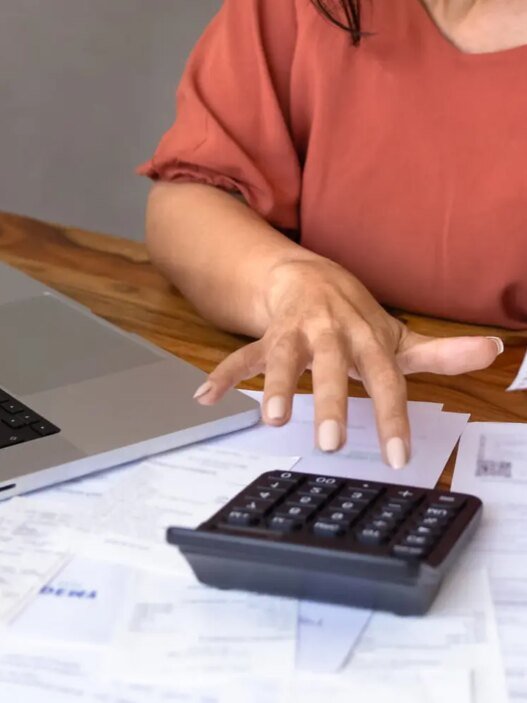







PARIS — If managing the household budget sometimes feels like walking a tightrope—balancing groceries, bills, kids’ needs, and unexpected expenses—you’re not alone. For millions of women, the monthly budget is more than a list of numbers. It’s a quiet system that supports stability, shapes future goals, and protects a family’s sense of comfort. And as daily costs continue to climb, finding practical methods to stretch every dollar has never felt more important.

But here’s the good news: building financial control doesn’t require extreme sacrifice or complicated spreadsheets. Many of the most effective budgeting habits are simple, flexible, and designed to give women room to breathe. Below, we break down four strategies widely recommended by financial educators—approaches that help reshape spending patterns, guide savings, and bring structure back to the chaos.
1. The 50/20/30 Framework — A Clear Roadmap for Everyday Spending
Among financial planners, the 50/20/30 rule is a modern classic. Not because it’s trendy, but because it’s intuitive and easy to maintain even during stressful months. The method breaks your income into three simple zones:
- 50% for essentials: rent or mortgage, groceries, utilities, transport, school expenses.
- 20% for savings, emergencies, and long-term security.
- 30% for lifestyle choices: personal care, outings, hobbies, treats—the human side of life that shouldn’t be erased from the budget.
What makes this framework powerful is its flexibility. Some months, your “essentials” may creep a little higher. Other months, you might save more than 20%. The point isn’t perfection; it’s awareness. This structure helps women identify pressure points, rebalance spending, and avoid the guilt that often accompanies personal purchases.
2. “Pay Yourself First” — The Savings Habit That Builds Stability Quietly
Before the electricity bill, before groceries, before anything else—your savings account should be the first recipient of your paycheck. Financial advisors often call this the foundational habit of long-term stability.
Why?
Because saving only what’s “left over” never works. Life expands to consume whatever remains. When you automatically save at the beginning of the month—whether $20 or $200—you shift the psychology of money. You’re no longer waiting for stability to happen; you’re creating it.
Women who adopt this habit often describe an unexpected outcome: a feeling of control. Suddenly, savings aren’t accidental—they’re intentional, consistent, and empowering.
3. Zero-Based Budgeting — When Every Dollar Has a Mission
Zero-based budgeting is the opposite of vague planning. Instead, every dollar you earn is assigned a job: food, transportation, rent, savings, upcoming repairs, medical appointments—nothing is unaccounted for.
This approach doesn’t mean spending everything. It simply means planning for everything, including contributions to your emergency fund or personal goals.
The benefit?
It eliminates “mystery expenses.” The small café coffees, the last-minute supermarket runs, the impulse buys—those hidden costs that quietly drain a household budget. With zero-based budgeting, women develop a map of their financial reality, making decisions from a place of clarity, not guesswork.
4. Envelope Budgeting — A Hands-On System That Works Wonders
Even in the age of digital banking, the envelope method continues to be one of the most effective systems for women managing busy households. Here’s how it works:
- You divide your spending categories (food, fuel, school items, self-care, household supplies).
- You assign each category a specific amount.
- Whether using physical envelopes or digital budgeting apps, that amount becomes your limit.
Once the envelope is empty, spending in that category pauses until the next month. This simple boundary prevents emotional or impulsive purchases, and for many women, it becomes a powerful tool for discipline.
An added bonus: any leftover money in an envelope becomes free to use. You can roll it over to the next month, move it into another category facing pressure, or add it directly to savings. It’s structure without strictness—one of the reasons so many women stay loyal to this method.